Good coffee is coffee you want another cup of, made on purpose and without avoidable defects. The practical version comes down to five levers: coffee, water, ratio, grind, and time with temperature. Get those into a repeatable range, then move toward your own taste—not somebody else’s score.
- Coffee
- A coffee and roast style you enjoy, stored sensibly
- Water
- Clean-tasting water with enough mineral content to brew well
- Ratio
- A measured starting point you can repeat
- Grind
- Matched to the brewer, then adjusted from the cup
- Time + heat
- Controlled enough to compare one brew with the next
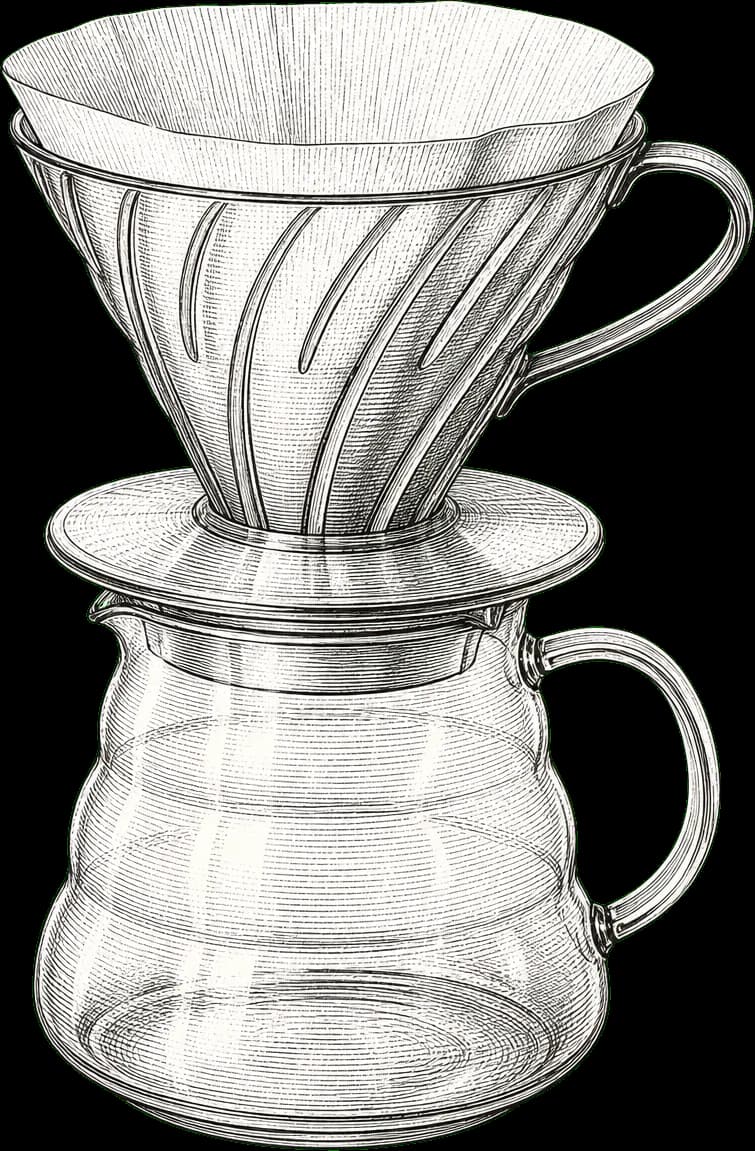

Water
Method

Taste
Start with coffee you like
Origin, variety, processing, and roast all shape what a coffee can taste like. More detail on a label can help you find it again; it does not obligate you to enjoy it. Read the clues in our coffee-bag decoder, then buy in an amount you will use and keep it sealed, cool, dry, and away from light.
Freshness matters, but “fresher at any cost” is not a complete rule. Coffee releases gas after roasting and changes over time. Different coffees and brew methods settle on different schedules, which is why roast date needs context.
Water is most of the cup
Water should taste clean on its own. Its mineral composition affects extraction as well as taste, so distilled water and very hard water can both make brewing difficult for different reasons. You do not need a chemistry bench to begin: compare filtered and tap water side by side, then read our water guide if the difference is obvious.
Measure once, then make one change
Start near 60 grams of coffee per litre of water for many filter methods. That is a useful house starting point, not a commandment. Weighing dose and water gives you a repeatable baseline; our ratio guide does the arithmetic.
Match the grind to the brewer, then use taste and flow to move it. Change one variable per brew. If you alter coffee, water, grind, dose, and time together, the next cup may be better but it will not have taught you why.
A useful order for fixing a bad cup
- Clean the brewer and grinder.
- Taste the water by itself.
- Confirm the coffee and water amounts.
- Adjust the grind one small step.
- Check brew time and temperature only after the baseline repeats.
If the cup is bitter, sour, thin, or muddy, diagnose the sensation before choosing the fix. And if the right fix is cream or sugar, use it. Coffee is allowed to be breakfast.
Credibility is repeatability
A good recipe tells you enough to reproduce it: coffee dose, water amount, grind range, temperature, and time. A credible coffee seller separates measured facts from tasting notes and archive claims from current ones. We will not always get the cup right, but we can make the trail clear enough to find out why.
Sources & further reading
- Specialty Coffee Association — Water and Coffee AcidityA technical explanation of brewing ratio that identifies 60 g/L, or 1:16.7, as a common filter-coffee starting point.
- Specialty Coffee Association — Towards a New Brewing ChartResearch context showing why ratio, extraction, and preference need more than one old chart.
- Specialty Coffee Association — Coffee Value AssessmentThe current framework separating descriptive findings from preference.